
Leveraging Calorie Data for Personalized Workout Intensity


Unlocking the Power of Calorie Data for Tailored Fitness Plans
In the modern era of fitness, leveraging calorie data has become a cornerstone for creating personalized workout plans. This approach not only enhances the effectiveness of workouts but also ensures that individuals achieve their fitness goals more efficiently. Here, we delve into how calorie data can be harnessed to adjust workout intensity, providing a more personalized and effective training experience.
The Importance of Calorie Data in Fitness
Calorie data is a critical metric in fitness because it directly influences the intensity and duration of workouts. By understanding how many calories are burned during different types of exercises, individuals can tailor their workout routines to meet specific goals, whether it's weight loss, muscle gain, or improved endurance. For instance, a study on breast cancer survivors used wearable technology to track calorie expenditure and other health metrics, demonstrating the feasibility of such data in promoting health outcomes.
Collecting and Analyzing Calorie Data
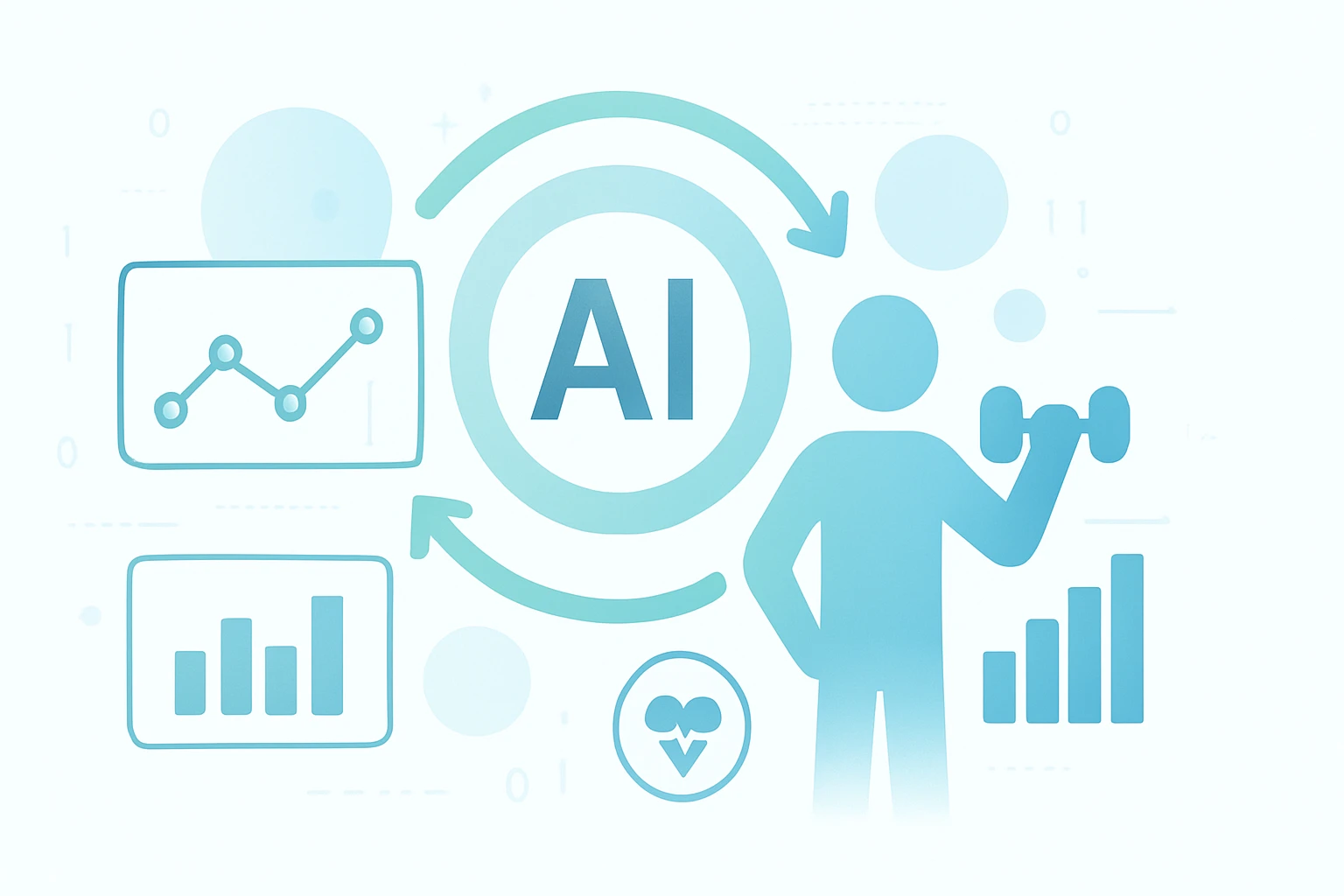
The collection and analysis of calorie data involve several steps and tools. Wearable devices such as smartwatches and fitness trackers are essential for tracking real-time data on calorie expenditure, heart rate, and other health metrics. These devices sync with AI systems to provide a comprehensive view of an individual's activity levels and calorie burn.
Additionally, mobile apps and fitness assessments play a crucial role in collecting data. Member surveys, fitness assessments, and mobile app logs help in gathering information about fitness goals, preferences, and past experiences. This data is then analyzed to create highly personalized fitness plans.
Adjusting Workout Intensity Based on Calorie Data
Once the calorie data is collected and analyzed, it can be used to adjust the intensity of workouts. Here are some ways to do this:
Customization: AI uses the collected data to design workout plans that align with each member's goals. For example, a member looking to lose weight might receive a plan that includes high-intensity interval training (HIIT) to maximize calorie burn, while someone aiming to build muscle might get a strength training plan focused on lower calorie expenditure but higher resistance.
Continuous Adaptation: AI continuously monitors members' progress and adjusts their workout plans accordingly. If a member's fitness level improves, the AI can increase the intensity of workouts to ensure continued progress. This dynamic adjustment keeps members challenged and motivated.
Real-Time Feedback: Real-time feedback is essential for keeping members engaged and ensuring that they perform exercises correctly. AI generates automated progress reports that provide members with insights into their achievements and areas that need improvement. These reports can include visualizations, such as graphs and charts, to make the information easy to understand.
Real-World Examples and Case Studies
Several studies and real-world examples illustrate the effectiveness of using calorie data to personalize workout intensity. For instance, a feasibility study on breast cancer survivors used a combination of wearable technology and personalized exercise prescriptions to improve health outcomes. The study found that interventions focused on culturally appealing personalized exercise behaviors were more effective.
Another example is the use of AI in gyms to enhance member experiences. By leveraging data from various sources, AI can create personalized fitness plans that cater to individual needs, leading to higher member engagement and retention rates.
Benefits of Personalized Training Based on Calorie Data
The benefits of using calorie data to personalize workout intensity are multifaceted:
Increased Motivation: Personalized workout plans keep members motivated as they see progress tailored to their specific goals and needs.
Improved Efficiency: By focusing on the right intensity and type of exercises, individuals can achieve their fitness goals more efficiently.
Enhanced Safety: Personalized plans ensure that workouts are safe and appropriate for the individual's fitness level, reducing the risk of injury.
Better Retention Rates: Personalized fitness experiences lead to higher member retention rates in gyms and fitness centers.
Challenges and Ethical Considerations
While leveraging calorie data for personalized training offers numerous benefits, there are also challenges and ethical considerations to be aware of:
Data Accuracy: Ensuring the accuracy of the collected data is crucial. Raw fitness data can be noisy and inconsistent due to sensor inaccuracies or user behavior, requiring preprocessing to remove outliers and impute missing values.
Privacy Concerns: The collection and use of personal data raise privacy concerns. It is essential to ensure that data is handled ethically and securely.
Combining AI with Human Expertise: While AI can create excellent personalized workout plans, it is essential to combine it with the expertise of certified fitness professionals to ensure safety and effectiveness.
Conclusion and Next Steps
In conclusion, leveraging calorie data to personalize workout intensity is a powerful strategy for achieving fitness goals. By using wearable technology, AI systems, and comprehensive data analysis, individuals can receive tailored workout plans that enhance their fitness journey. If you're looking to integrate this approach into your fitness routine, consider using tools like the WP Calorie Calculator to track your calorie expenditure and adjust your workout plans accordingly. For businesses, offering personalized fitness plans can lead to higher member retention rates and improved customer satisfaction. Explore the WP Calorie Calculator Plans to see how you can implement this technology in your fitness business.
Remember, the key to successful personalized training is continuous adaptation and real-time feedback. Stay consistent with tracking your progress and providing feedback to the AI platform, and you'll be on your way to achieving your fitness goals more efficiently than ever before.
Read more

Building Backlinks to Interactive Tools

Optimizing Featured Snippets for Tools

Improving E-E-A-T for Health Sites

Adding Multiple Language Support

Calorie Calculator for Gym Websites

How to Create a Free Tool That Converts

Long-Tail Fitness Keywords Strategy

Programmatic SEO with Calculators

Health Blog SEO Checklist

Top Keywords in Fitness Niche 2026
Using AI to Generate Fitness Content

Blog vs Tool: What Ranks Better?
Building Backlinks to Interactive Tools
Optimizing Featured Snippets for Tools
